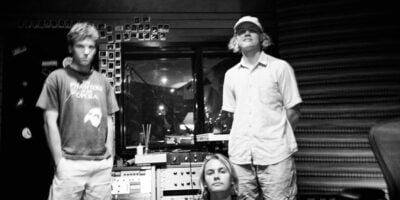



































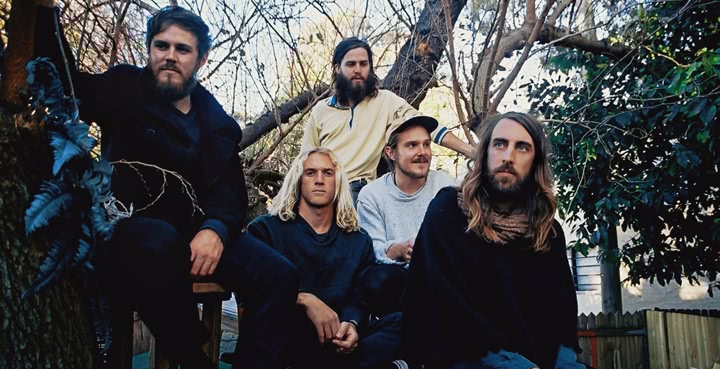

Jinja Safari were very nearly that cautionary tale. You know the one; young band storms onto the live music scene, gets picked up by a label, releases an album, ricochets across the world for exhaustive touring, starts to form cracks, and explodes in a blaze of debauchery and disillusionment.
It makes for a great movie, but a terrible life, and for that reason we rest easy that the Central Coast groovers were able to put the brakes on burning out. Instead, they’ve taken the last 18 months to focus on the things that matter most: writing songs, playing music and not chasing the fame game.
“After our album came out and didn’t perform the way that the record company or managers had hoped, we felt a little burned out by the process,” says co-frontman Marcus Azon. “Not only recording the album, but touring pretty heavily as well. During those summer festivals there were definitely conversations where the thought of another album, of going through that same process all over again, just wasn’t on the cards. It wasn’t interesting or inspiring to us in any way.
“Around then we parted ways with our management, who were wonderful dudes but we just had a creative split. From there we all started to get a bit busy with other things. It didn’t stop the writing, though. We’ve been writing non-stop. But it’s given us 18 months to really focus on what kind of group we want to be and what kind of music we want to be releasing.”
Two years have passed since Jinja Safari last released a single, and it seems fitting that the track to finally break the drought is titled ‘Find My Way’. It has been a see-sawing couple of years for the jungle rockers, with solo projects gaining traction and collaborations with other musicians taking root (in particular, Azon’s own work with troubadour Josh Pyke), all balanced with the realities of everyday life and relationships.
“I’m in a pretty transitory time at the moment,” Azon admits. “I broke up with my long-term partner a little while ago, so I’ve moved out of my place and back to Tasmania. I’m between there and one of our drummer’s couches, and it’s been working really well. We’ve done about eight rehearsals in the last two weeks, so we’re really working harder than we ever have before getting ready for our live shows. We kind of feel like that’s the bit we have control over, that live side. That’s where my head is now.
“But even though this has been an awful experience,” he continues, “writing is possibly the most cathartic process I’ve found in my life, except maybe for performing. You can get out every thought, every phrase that you wouldn’t want to say to someone out loud. I’ve found with writing that hours and hours can just slip away at the moment. And it’s not all remorseful, woe-is-me love songs. I don’t have a ‘Somebody That I Used To Know’ cooking in the background. I mean, goddammit, I wish there was! [But] writing gives you a whole extra head space. It opens all this extra room in your mind, because all of a sudden everything that was normal in your life has been ripped away.
“You can be an insular, selfish musician, which is actually important at this point in my career. Getting caught up in wanting a secure income and a steady relationship and a dog and a house and kids … I desire those things a lot, but right now, I feel like it’s very important to get these jams out there.”
While you get the impression Azon is still putting the final touches on the artist he is turning into, it’s not hard to believe he’s on the right track. He’s a funny, engaged guy who seems content at where this unlikely musical journey has led him, and the lessons that Jinja Safari have encountered over the years – understanding what kind of musicians they wish to be, finding inspiration in the music rather than success – suggest that there are still depths to the band that have yet to revealed. There remains, however, a streak of uncertainty and cynicism that Azon finds himself contending with every day.
“It’s an important part of being in a band. There’s the business side of things and the artistic side. But there’s also just being in a group. You need to take into account their lives, their dreams, the different personalities. You have to breathe and find the positives. See, constantly in my mind – even now, talking to you – I’m thinking, ‘How is this guy going to misinterpret what I’m saying, how is he going to take things out of context? How much should I be saying?’ And that’s a lifelong battle, because I don’t want to be so negative.
“My parents have this saying for me: ‘Kill the cynic.’ It’s not how I want to live. I don’t want to go to bed thinking about all the problems in the world, in my life, how dark and draconian our government is, how messed up and political our music industry can be. I want to keep open eyes and meet new people, experience new situations. And you can’t if you have your head down all the time, focused on the problems that may arise. That’s no way to live.”
Jinja Safari play Oxford Art Factory onFriday July 31, with Sea Legs.